
Heating and Cooling System Options
The main types of system side by side, so you can talk through the choice with a technician.
When a system needs replacing, or a house needs heating and cooling for the first time, the type of system is the first decision. Each type below heats and cools the house well; they differ in how they make heat, what they need from the house and what they cost to run in our climate of long, hot summers and short winters with the occasional hard freeze.
There is no single best answer. A house with a gas line and good ducts has different sensible choices from an all-electric house or a room addition with no ducts at all. Use the table to narrow it down, and we can look at the house with you before anything is decided.
System Types Compared
| System type | How it heats and cools | Best suited for | Strengths | Trade-offs |
|---|---|---|---|---|
| Central split AC with a gas furnace | An outdoor condenser cools through a coil on the furnace; the furnace burns natural gas for heat | Houses with a gas line and existing ducts | Strong, steady heat in a freeze; familiar and widely serviced | Two fuels to maintain; the furnace needs venting and combustion checks |
| Heat pump | One outdoor unit that cools in summer and runs in reverse to heat in winter, with electric heat strips as backup | All-electric houses, or homes replacing an aging AC and furnace together | Efficient heat in mild weather; one machine for both seasons | Leans on the heat strips in a hard freeze, which costs more to run |
| Dual fuel system | A heat pump paired with a gas furnace; the furnace takes over when it gets cold outside | Houses with gas that want heat pump savings most of the winter | Cheap heat in mild weather and gas heat in a freeze | More equipment and controls; a higher cost to install |
| Ductless mini-split | An outdoor unit feeds one or more wall-mounted indoor heads through small refrigerant lines, with no ducts | Additions, garages, converted rooms, houses without ducts | No ductwork; each room set on its own; quiet and efficient | Indoor heads are visible on the wall; several rooms need several heads |
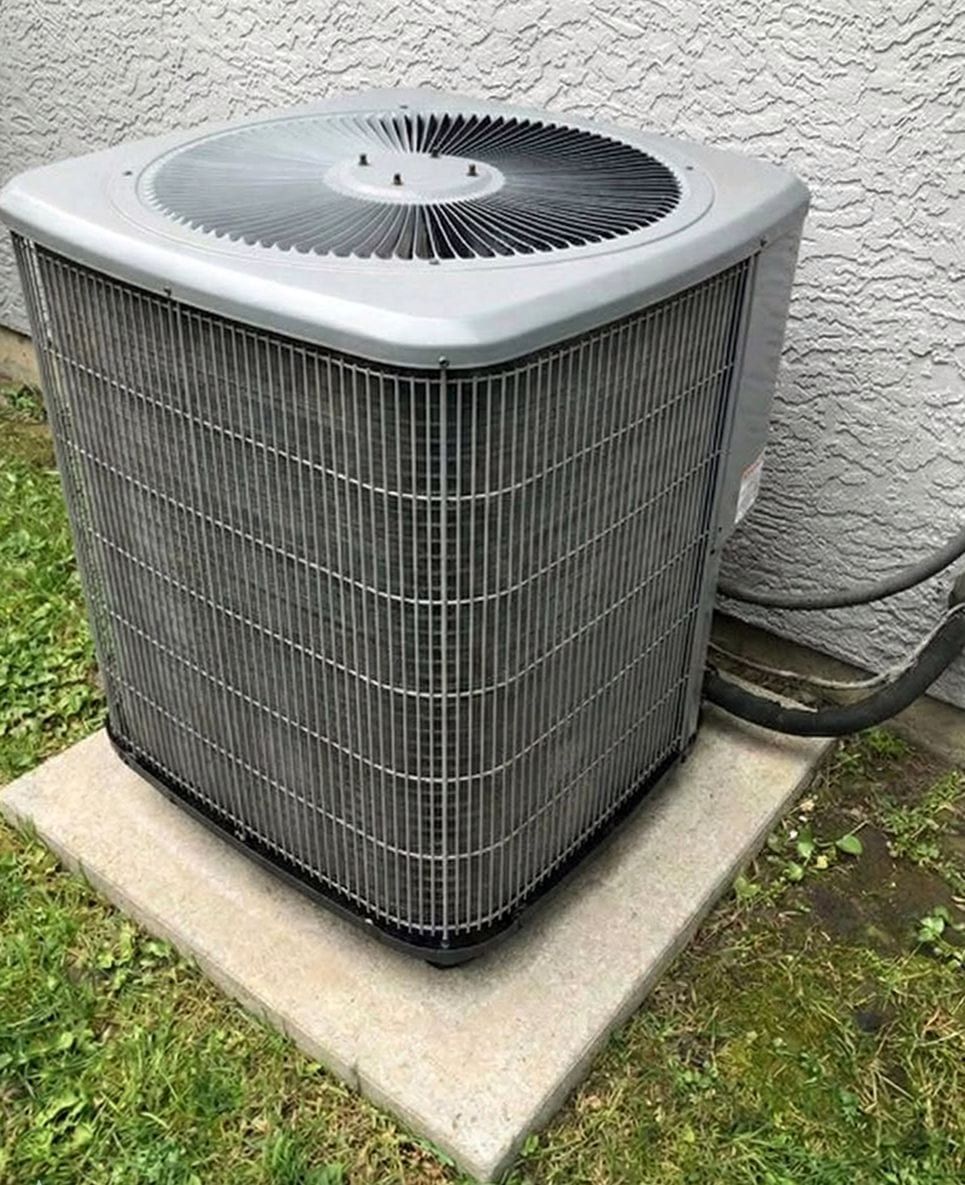
| Packaged unit | The whole system in one outdoor cabinet, on a pad or a roof, connected to the ducts through the wall or roof | Houses with no room inside for equipment, and many small commercial buildings | Nothing inside the house; one cabinet to service | Exposed to the weather; fewer choices of size and efficiency |
Efficiency Ratings Explained
- SEER2 measures cooling efficiency over a season, for air conditioners and heat pumps. A higher number means less electricity for the same cooling.
- HSPF2 measures a heat pump’s heating efficiency over a season. Higher is better.
- AFUE is the share of a gas furnace’s fuel that becomes heat in the house. A 95 percent furnace turns 95 cents of every gas dollar into heat.
The “2” in SEER2 and HSPF2 marks the newer test method that replaced SEER and HSPF; the new numbers run a little lower for the same equipment, so compare like with like.
Ductless for the Rooms Ducts Do Not Reach
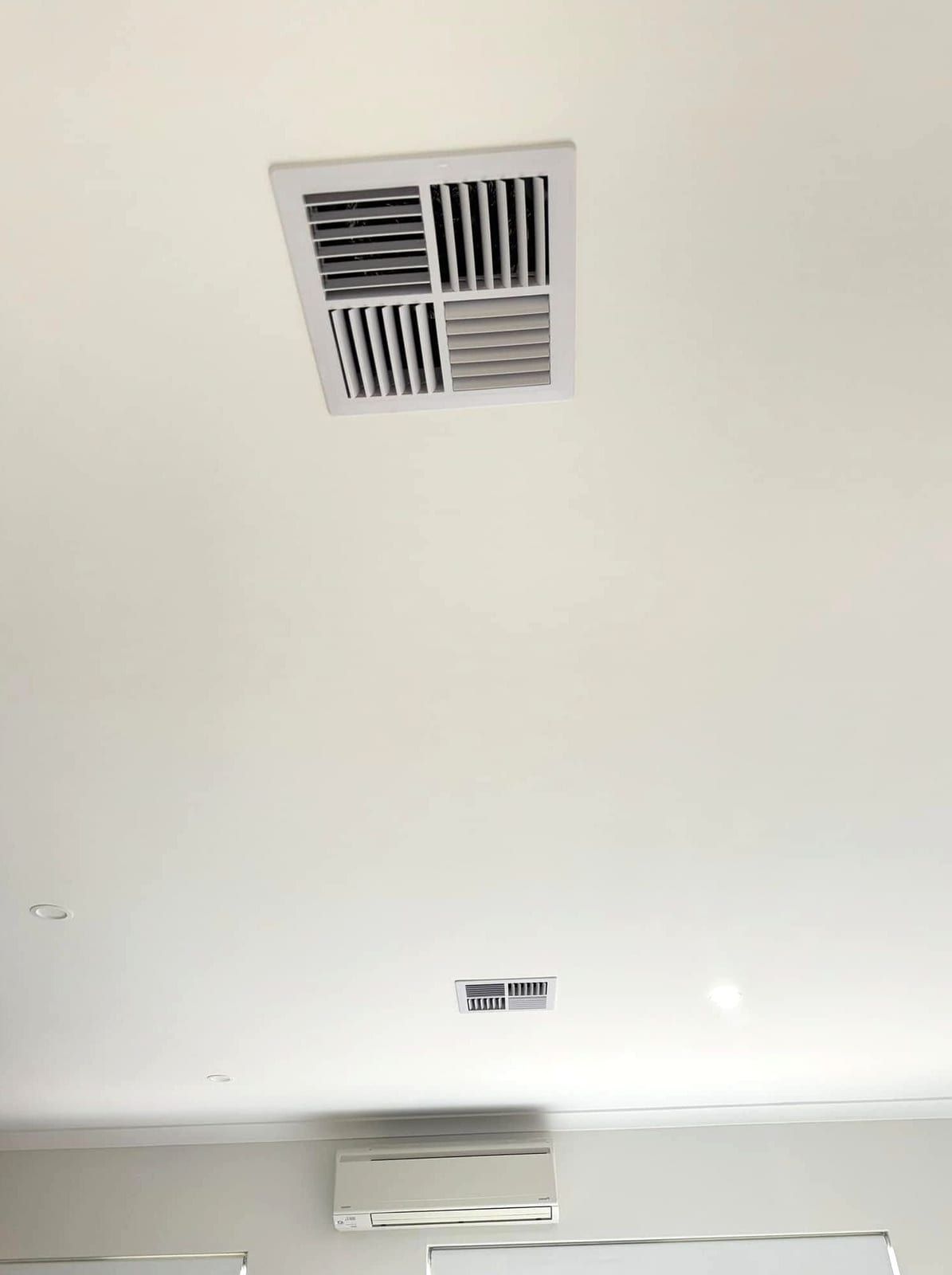
A mini-split’s indoor head hangs high on a wall and connects to its outdoor unit through a small hole for the refrigerant lines and wiring. It suits a room that the main system never quite reaches, or a space that was never part of it.

Choosing Between Systems
Heat pump or AC with a gas furnace: which is better here?
Both work well in North Texas. Our winters are mostly mild, which suits a heat pump, but a hard freeze pushes it onto its electric backup heat. A gas furnace gives strong heat in the coldest weather but needs a gas line and venting. If the house already has gas, a dual fuel system gets most of the benefit of both.
Does a heat pump work when it freezes outside?
Yes, but it makes less heat as the outdoor temperature drops, so the electric heat strips in the air handler fill the gap. That is normal. Sizing the strips correctly, and checking them before winter, matters more with a heat pump than any other part.
Can I add a mini-split without changing the main system?
Yes. A ductless mini-split is a common way to cool and heat a room addition, a garage workshop or a converted attic without stretching the existing ducts, which often cannot reach that far anyway.
What efficiency rating should I look for?
Current federal minimums set the floor, and higher ratings save more on bills each year at a higher price up front. How much a higher rating pays back depends on the house and how long you plan to stay. A correctly sized, well-installed system at a moderate rating often outperforms an oversized high-rated one.
When you are ready to talk sizes and installation, the installation page explains how a system is sized and what the visit involves.