Heating and AC Installation in Sachse
How a replacement or new system is chosen and sized, with a rough sizing guide and a checklist for the visit.
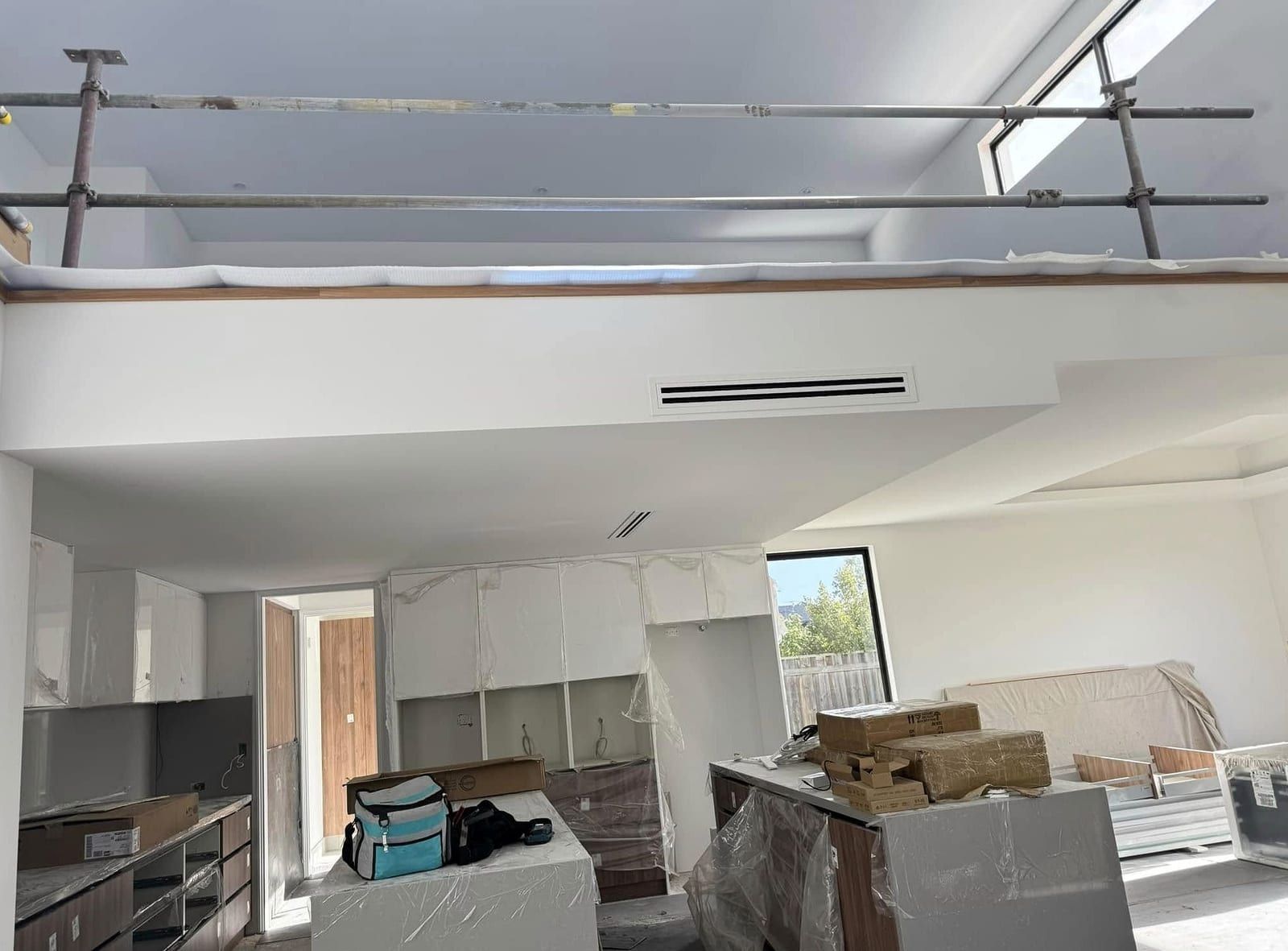
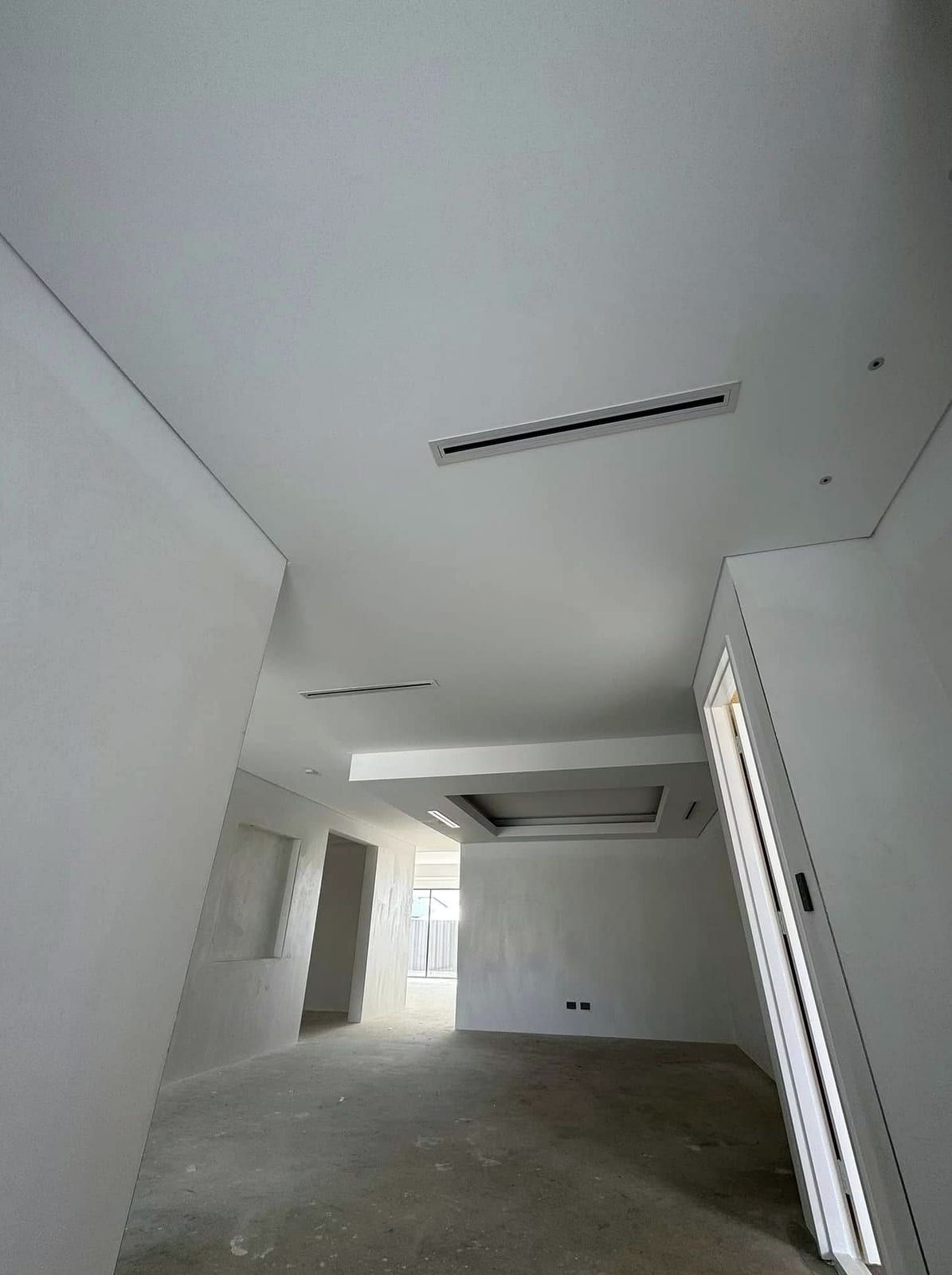
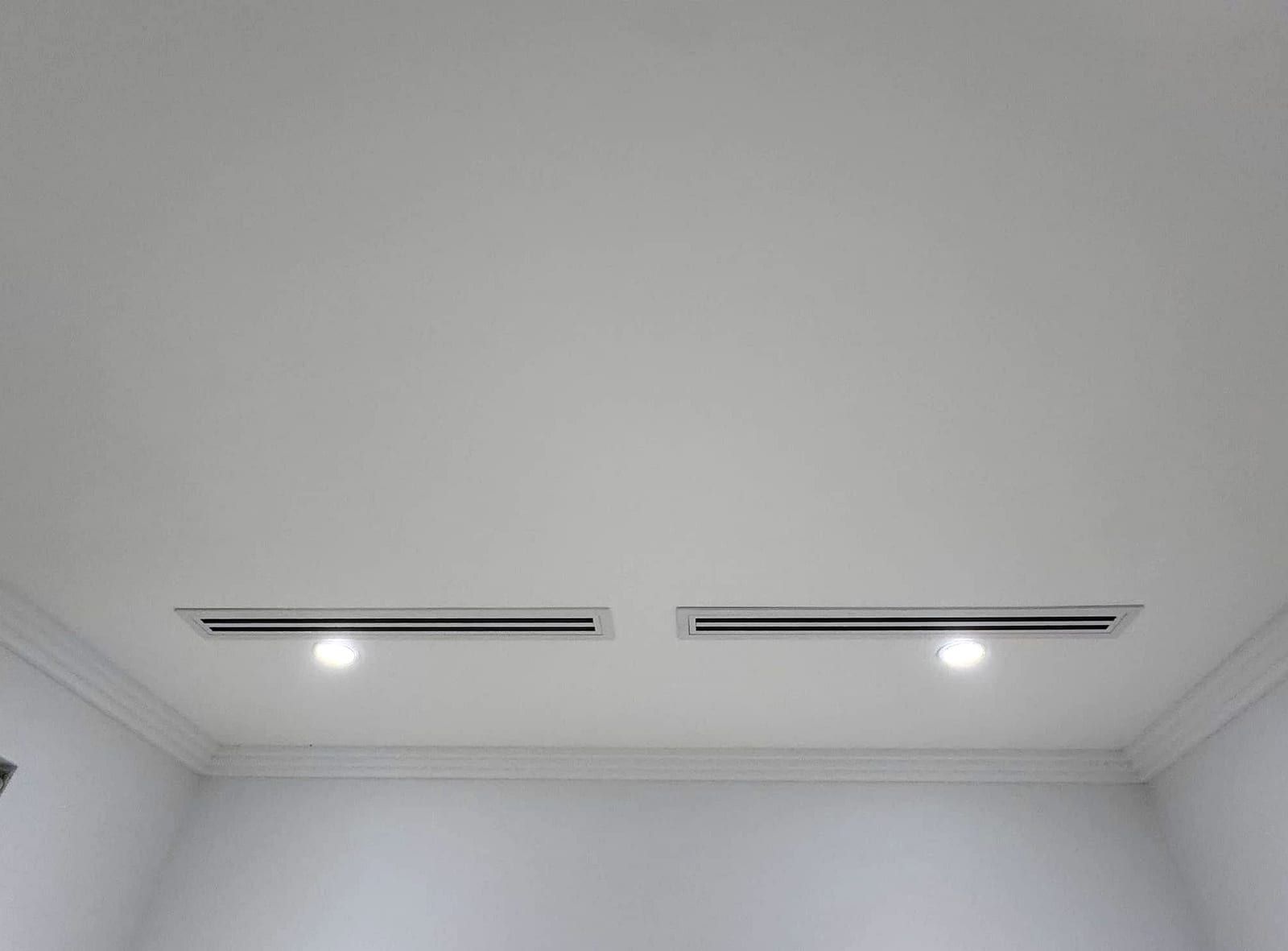
Replacing a heating and cooling system is a bigger decision than any repair, and the two choices that matter most are the type of system and its size. We handle full system replacement and new installations in houses that need them, and every house needs a slightly different setup: the attic layout, the ducts, the electrical panel and the way the family uses the rooms all change what fits.
A system that is the right size runs long, steady cycles, keeps the humidity down in a North Texas July and lasts longer than one that is oversized. The guide below gives a rough idea of the range for your house; the final size comes from a load calculation on the visit.
What an Installation Visit Includes
HVAC- The HouseSquare footage, ceiling heights, insulation, windows and which way the house faces.
- The Existing SystemIts age, size, refrigerant, and how well it has kept up in summer.
- Ducts and ReturnsDuct sizes and condition, return air, and the rooms that never feel right.
- Electrical and GasBreaker size, disconnect, gas supply and venting for the new equipment.
- AfterwardsThe system options that fit, and what each one involves.
Rough Sizing Guide
Enter a few details about the house to see the range of cooling capacity that houses like it often need. It is a starting point for the conversation, not a quote or a final size.
Sizing Guide
Enter the house details, then press the button.
Getting Ready for an Installation Visit
- Clear a path to the indoor unit, whether it is in a closet, the garage or the attic, and to the outdoor unit.
- Note the model numbers on the old equipment if you can reach the labels, or take photos of them to email.
- Make a list of the rooms that run too hot or too cold, and the times of day it happens.
- Find the breaker panel and, on a gas furnace, the gas shutoff.
- Think about how you use the house: an upstairs that is only used at night, a home office, a room addition.
- Have past repair records handy if you kept them.
From Choice to Start-Up
Once the size and type are settled, the old equipment comes out, the new units go in with the line set, wiring, drain and venting they need, and the system is started and tested. The What We Check page walks through each stage and the safety and code rules involved.
Replacing or Sizing a System
When should I replace the system instead of repairing it?
Replacement starts to make sense when a major part fails on an older system, such as the compressor, the indoor coil or a furnace heat exchanger; when repairs keep coming back; or when the equipment uses R-22 refrigerant, which is no longer made. A newer system with one failed part is usually worth repairing. We explain the condition of what you have so the choice is clear.
What does system size mean?
Cooling capacity is measured in tons, where one ton removes 12,000 BTUs of heat an hour. Homes usually have systems between 1.5 and 5 tons. Bigger is not better: an oversized unit cools the air quickly but shuts off before it pulls the humidity out, and it starts and stops more often, which wears it out sooner.
Why can’t you size a system from the square footage alone?
Two houses of the same size can need very different equipment. Attic insulation, window area and shading, ceiling height, the number of floors and duct leakage all change the load. That is why a load calculation, room by room, decides the final size, and a rule of thumb only gives a starting range.
Should the indoor and outdoor units be replaced together?
For a central air conditioner or heat pump, yes in most cases. The indoor coil and the outdoor unit are designed as a matched pair, and a new outdoor unit on an old coil rarely reaches its rated efficiency and can shorten the life of the compressor.
Can you install equipment in a house that has never had central air?
Yes. We also install new equipment in houses that need it, whether that means a full ducted system, a ductless mini-split for rooms the ducts do not reach, or a system for an addition. The system options page compares the types.