Air Conditioning Repair in Sachse
Warm air, weak airflow, a unit that hums or ices over: what usually causes it, and what we check on a repair visit.
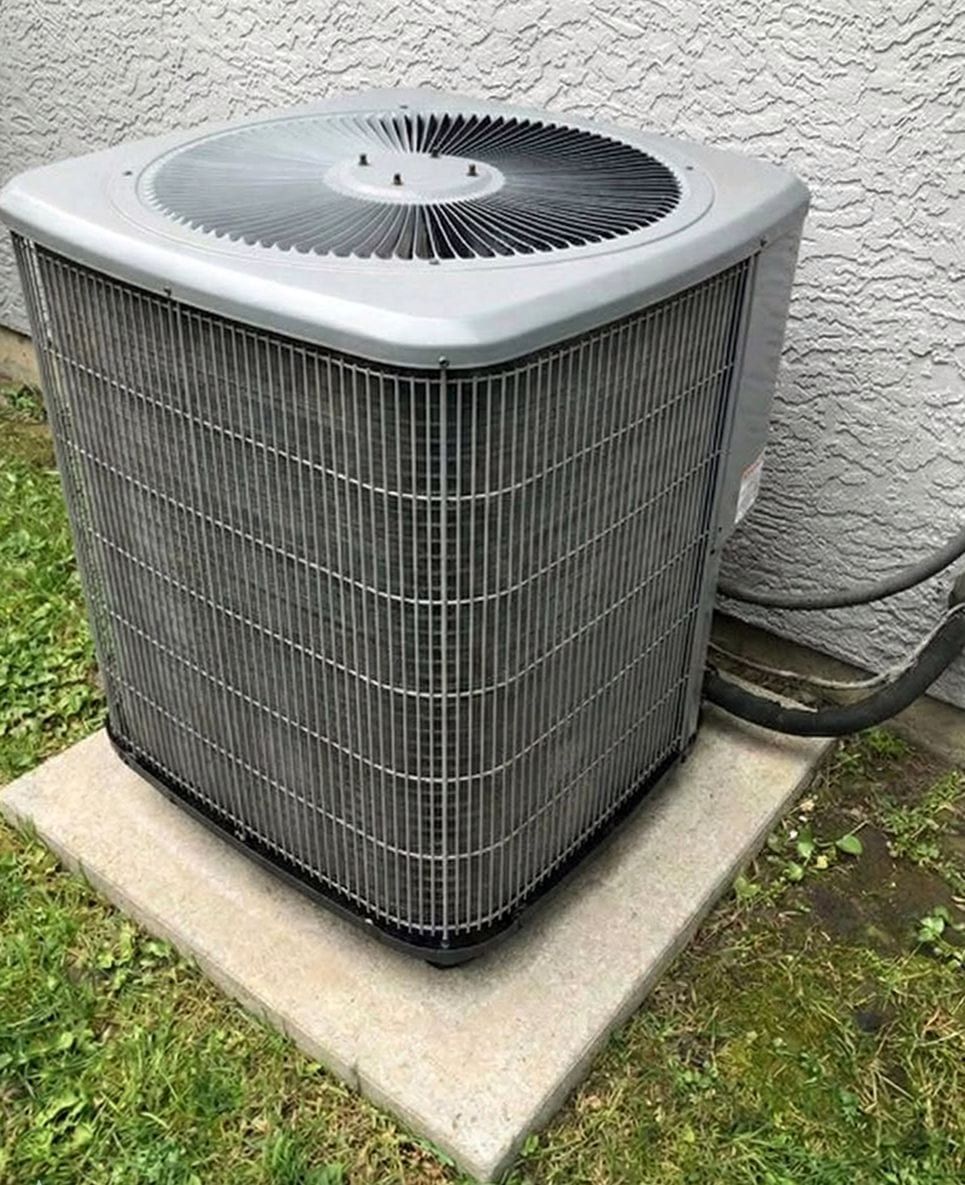
A central air conditioner works as a pair: the outdoor unit, with its compressor, fan and coil, and the indoor coil that sits on top of the furnace or inside the air handler. When the house stops cooling, the fault can be in either half, in the thermostat that tells them to run, or in the airflow between them. We work on any make or model, and every repair starts with finding out which part has actually failed.
Around Sachse the outdoor unit works hardest in July and August, often running through the whole afternoon. That is when a weak capacitor, a worn contactor or a dirty coil gives out, and when a slow refrigerant leak finally lets the coil freeze.
Signs Your Air Conditioner Needs Attention
- Air from the vents feels warm, or only slightly cool
- The outdoor fan is not spinning while the system runs
- A hum or buzz from the outdoor unit, but it does not start
- Ice on the copper line outside or on the indoor coil
- Water around the furnace or air handler
- The system turns on and off every few minutes
- Some rooms stay warm while others cool
What an AC Repair Visit Includes
HVAC- ThermostatMode, set point and wiring, so the call for cooling reaches the equipment.
- Outdoor UnitCapacitor, contactor, fan motor, compressor start and the condition of the coil.
- Refrigerant CircuitPressures and line temperatures, read against the day’s outdoor temperature.
- Indoor Coil and DrainCoil, drain line, pan and float switch, plus the filter and blower.
- AfterwardsWhat we found and what the repair involves, explained in plain words.
Common Faults and What We Check
The same symptom can come from several causes, which is why the visit starts with readings rather than parts.
| Symptom | Common causes | What the technician checks |
|---|---|---|
| Warm or barely cool air from the vents | A failed capacitor or contactor, low refrigerant from a leak, a dirty outdoor coil | Capacitor and contactor, refrigerant pressures and line temperatures, the outdoor coil |
| The outdoor unit hums, but the fan does not spin | A weak run capacitor, a seized or burned-out fan motor | Capacitor value, fan motor windings and bearings, the fan blade |
| Ice on the copper line or the indoor coil | A clogged filter, a slow blower, a low refrigerant charge | Filter, blower wheel and speed, airflow across the coil, the charge |
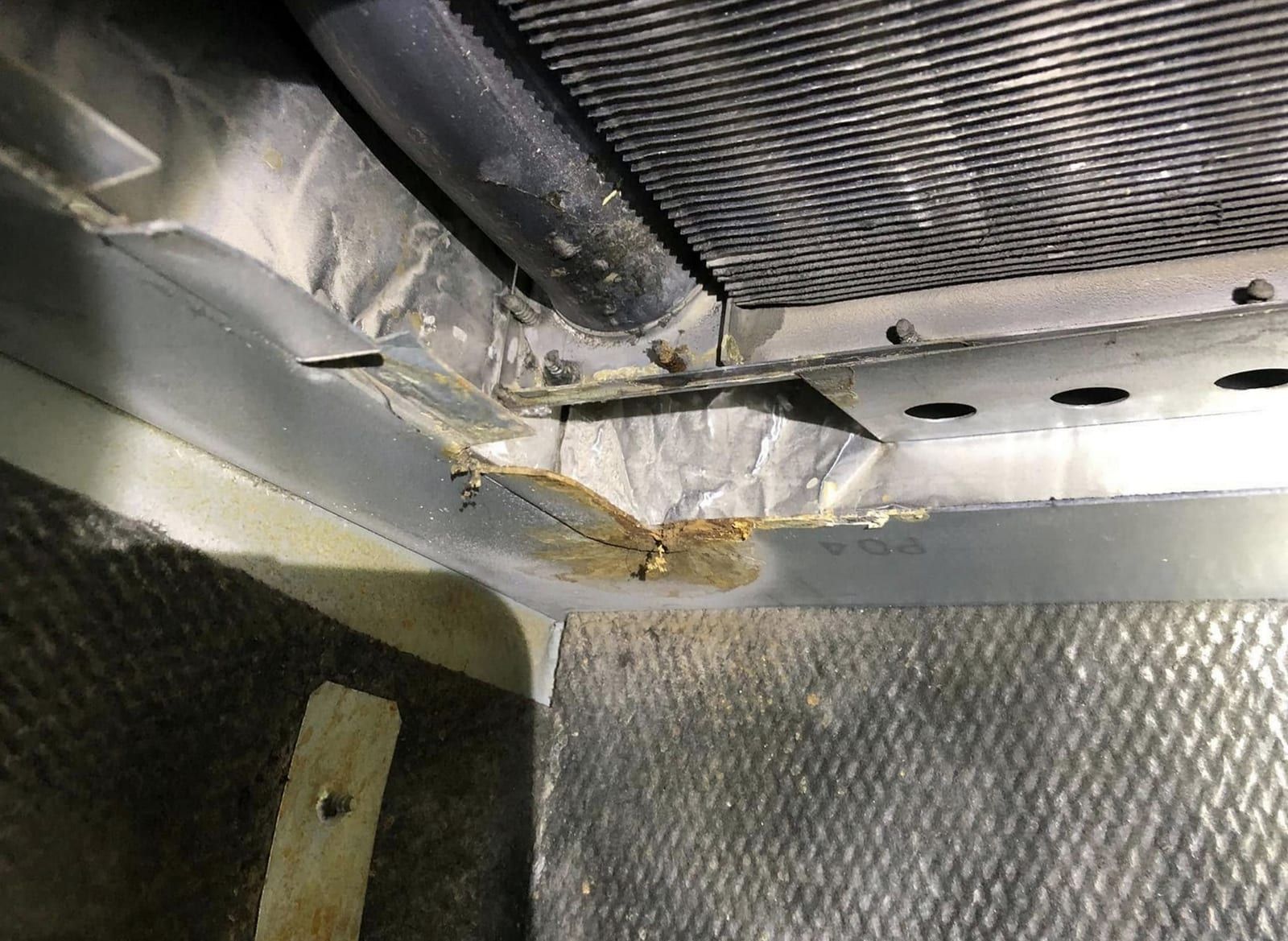
| Water around the furnace or air handler | A clogged condensate drain, a rusted or cracked pan, a tripped float switch | Drain line and trap, the pan, the float switch |
| The system starts and stops every few minutes | Thermostat wiring or placement, a freezing coil, an oversized system, a failing part | Thermostat and wiring, run times, coil temperature, the outdoor unit’s controls |
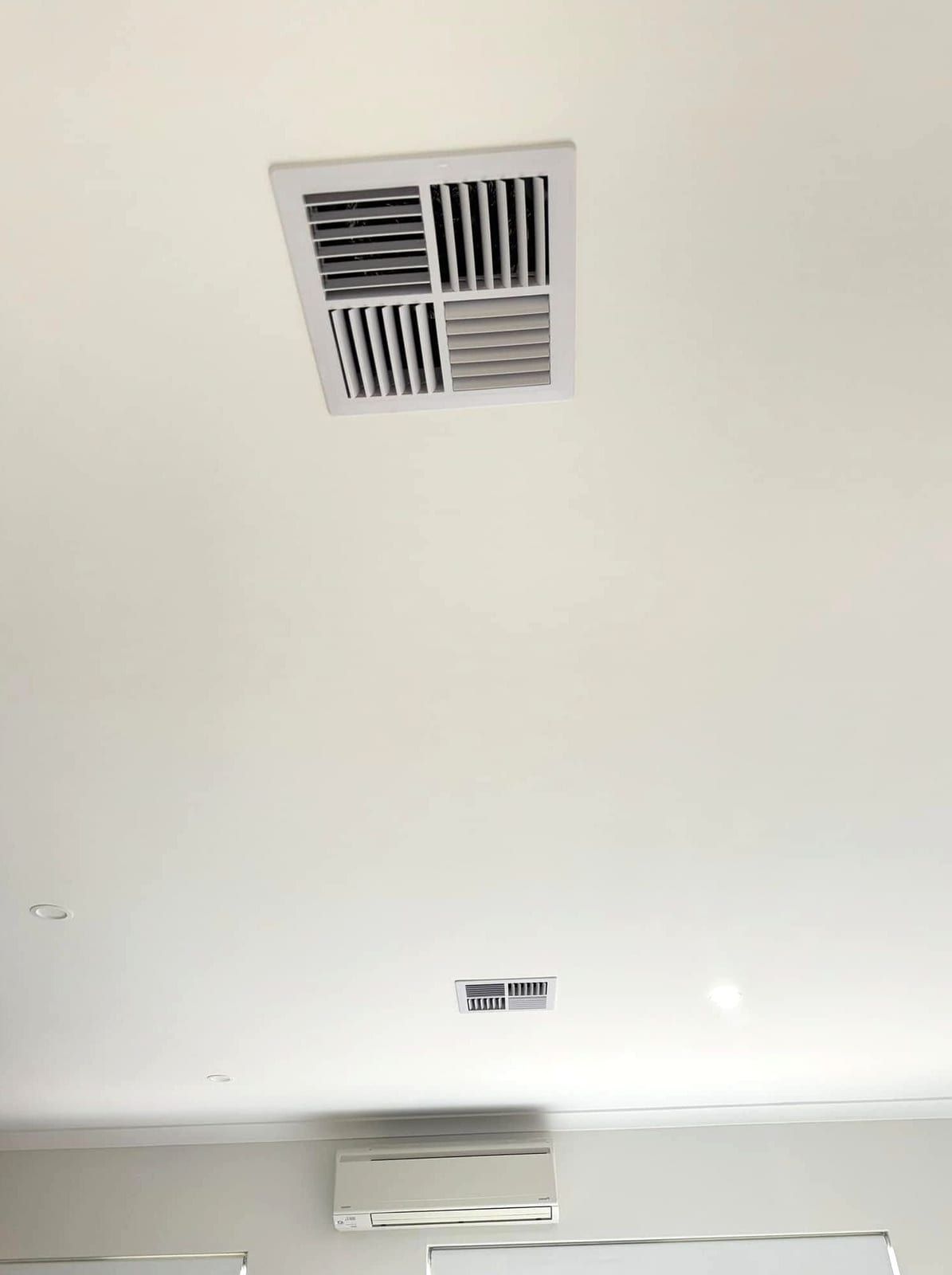
| Some rooms stay warm while others cool | Leaking or crushed ducts in the attic, blocked registers or returns, low airflow | Supply temperature room by room, the duct runs, registers and returns |
| A breaker trips when the AC starts | A shorted compressor or fan motor, a failing capacitor, a loose connection | Current draw at start, motor windings, wiring and the outdoor disconnect |
Before You Call
Four quick checks solve a surprising number of no-cooling calls, and they tell us a lot if they do not.
- The thermostat is set to Cool, a few degrees below the room temperature, and has fresh batteries if it uses them.
- The breakers for the indoor unit and the outdoor unit are on, and so is the disconnect switch beside the outdoor unit.
- The air filter is not gray and packed with dust; if it is, replace it.
- The outdoor unit is clear of leaves, grass clippings and plants for about two feet around it.
If cooling has stopped altogether on a hot day, the AC not cooling guide takes you through these checks one at a time and says when to stop and call.
The Repair Itself
Many AC faults come down to one part: a capacitor, a contactor, a fan motor or a blocked drain line. Larger problems, such as a leaking coil or a compressor that will not start, raise the question of repair against replacement, and we set out both so you can decide. A repair is only finished once the system has run for a while and the readings look right again.
Questions About AC Repair
Should I repair or replace an air conditioner that is more than 12 years old?
Age alone does not decide it. A 14-year-old unit with a failed capacitor is worth a modest repair; the same unit with a leaking coil and a compressor that struggles to start is a different conversation. We look at the condition of the major parts, the refrigerant it uses, how often it has needed work, and how the repair compares with replacing it, then lay out both paths.
Why does my air conditioner freeze up?
Ice forms when the indoor coil gets colder than freezing. The usual causes are too little air across it, from a clogged filter, a dirty coil or a weak blower, or too little refrigerant from a leak. Turn the system off and let it thaw before it runs again; running it frozen can push liquid back to the compressor.
Is it all right to keep running an AC that blows warm air?
If the outdoor fan is not spinning or the lines are icing, switch the cooling off at the thermostat. A compressor running without its fan, or against a frozen coil, can overheat and turn a small repair into a large one. You can leave the fan on to move air through the house while you wait.
How often does refrigerant need to be topped off?
It should not need it at all. An air conditioner is a sealed circuit, so a low charge means there is a leak somewhere. Adding refrigerant without finding the leak only buys time, and we explain the options for locating and repairing it.
What are the most common AC faults in summer?
Run capacitors, contactors and outdoor fan motors fail most often, because heat and long run times wear them down. Clogged condensate drains come next, followed by refrigerant leaks and dirty coils that leave the system unable to keep up on the hottest afternoons.